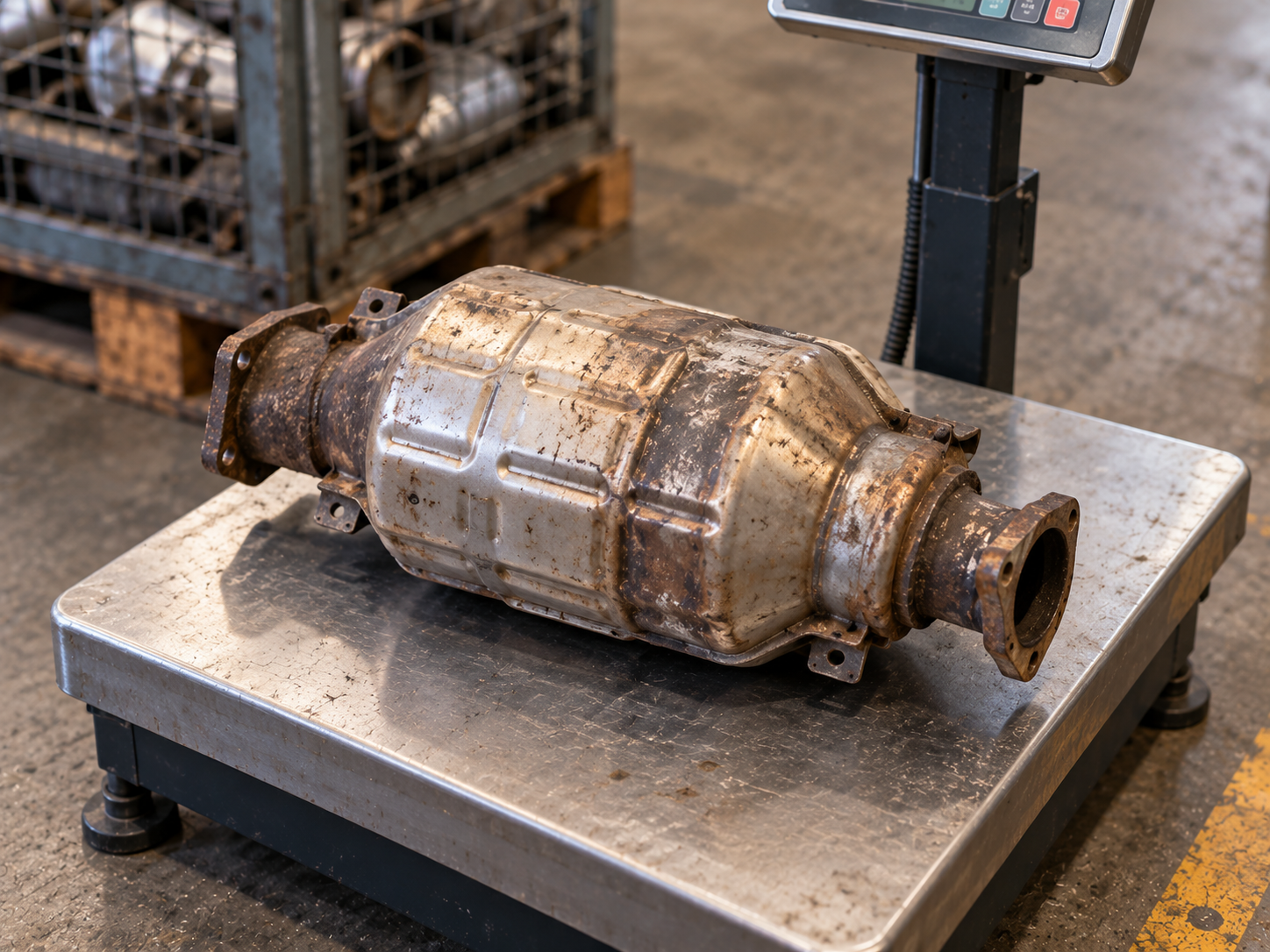
How to Identify Your Catalytic Converter Using the MetCat App

Not all scrap catalytic converters are equal. Two units that look similar can contain very different amounts of precious metal, which is why accurate identification comes first. Before a converter can be priced, you need to know exactly what it is.
This guide explains how scrap catalytic converter identification works, what to look for on the converter itself and how the MetCat app helps you move from a code to a current price.
About MetCat
MetCat is a family-run metal recycling business with more than 45 years of experience and specialist expertise in catalytic converter recycling. Based in Wolverhampton and London and serving customers across the UK, MetCat is open to both Trade and Public. We provide real-time pricing through the MetCat app, updated daily in line with the precious metals market, along with fast payment, in-house processing and flexible collection or drop-off options.
Key Takeaways
- Converters are identified by the code or markings on them, which is the starting point for pricing.
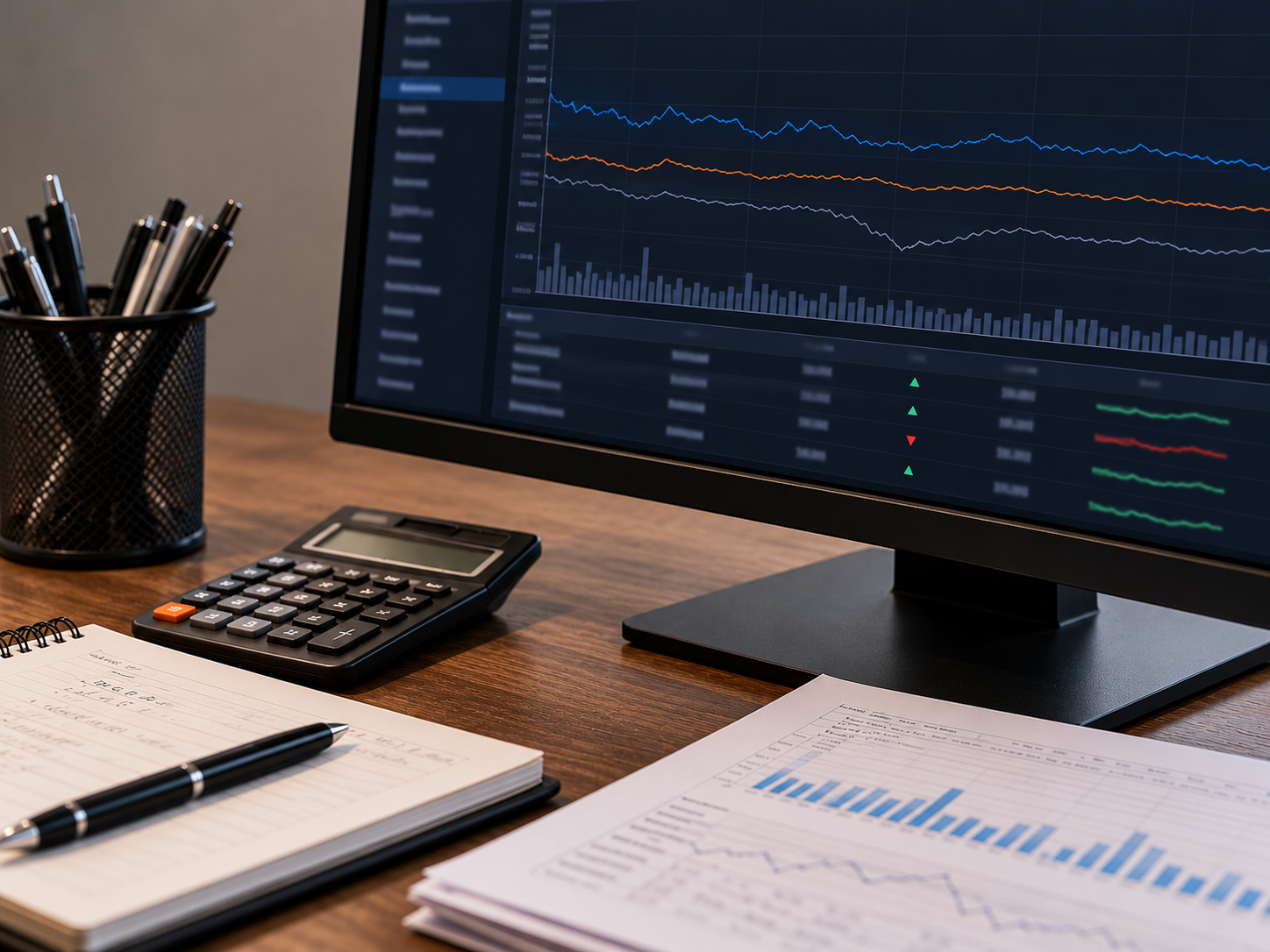
- The MetCat app gives real-time, market-linked pricing for catalytic converters, with prices updated daily.
- Clean, clear photos and accurate details make identification quicker and more reliable.
- Prices change with the precious metals market, so check the app for the current figure.
Why Identification Matters
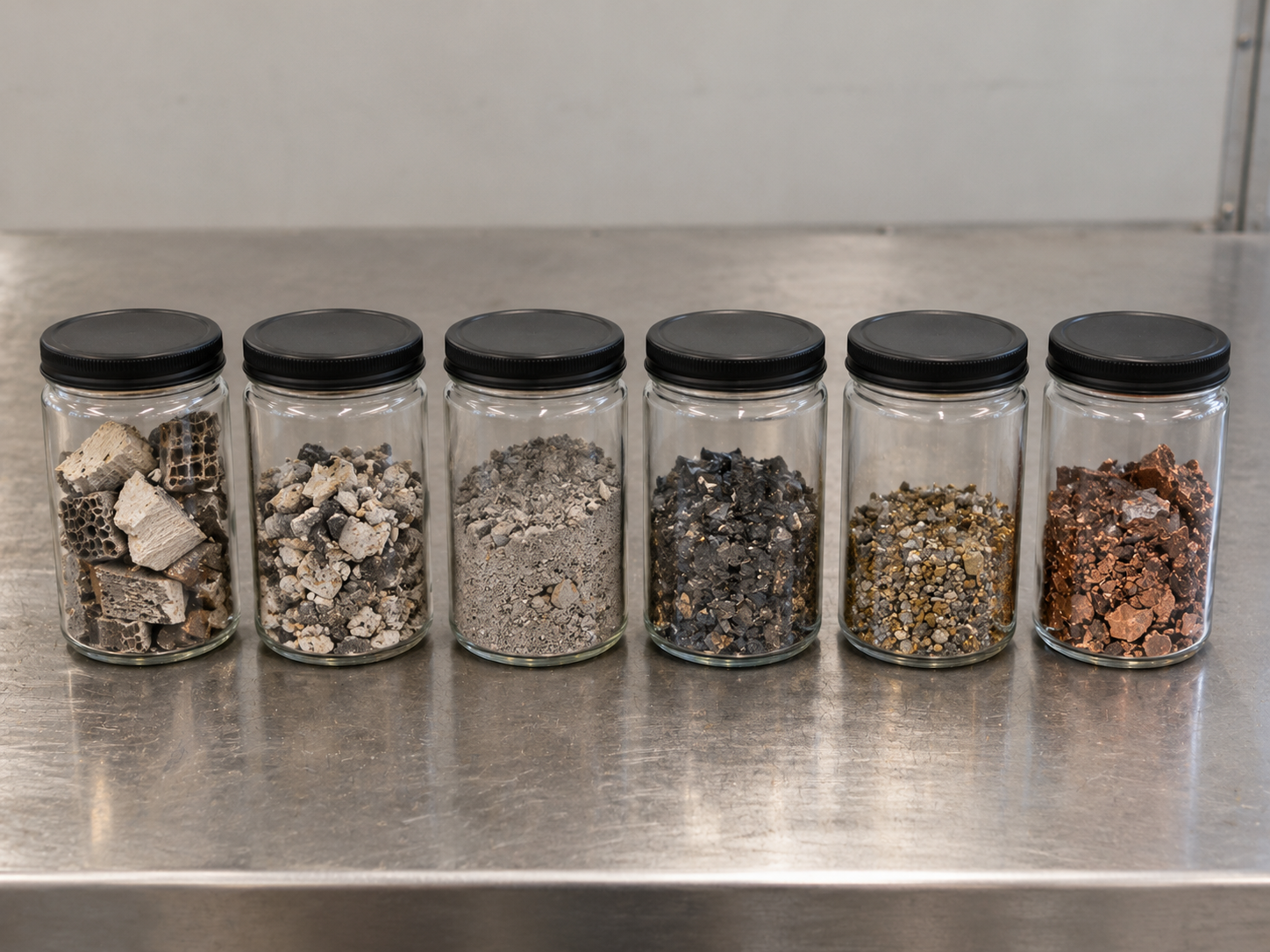
Catalytic converters contain precious metals such as platinum, palladium and rhodium. The amount and type of material depends on the converter, which is why one unit can be worth very different amounts from another. Scrap converters are bought by piece according to their identifying code. Getting identification right means you can understand the likely value before you sell, and it helps avoid delays when you do.
Step 1: Find the Identifying Code
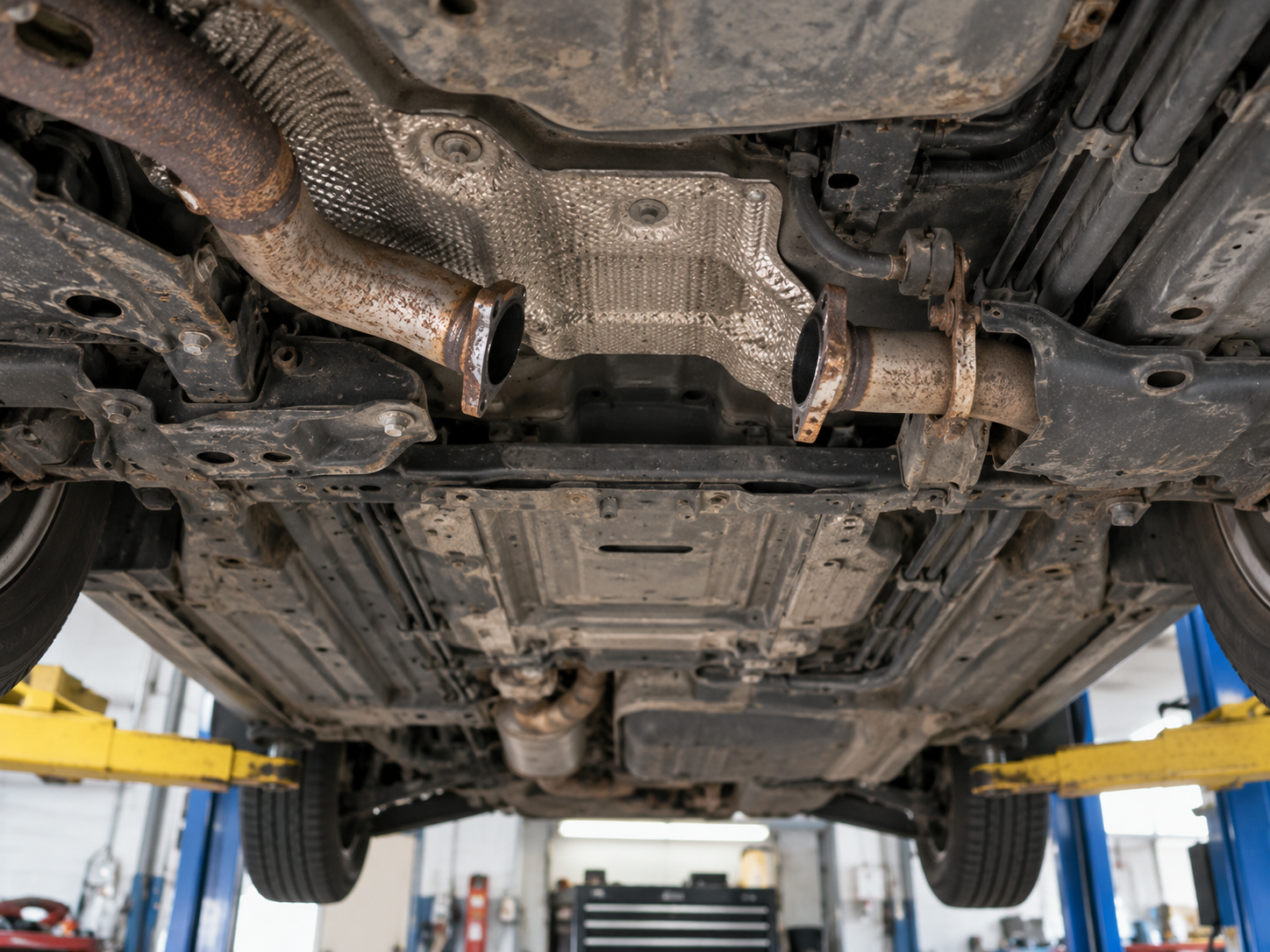
Most converters carry a code, number or marking. It may be stamped, engraved or printed on the outer shell, and the location and format can differ by manufacturer and vehicle.
- Look over the body of the converter, including both sides.
- Note any stamped numbers, letters or symbols.
- If the unit is dirty, carefully wipe it with a cloth, as dirt and rust can hide markings.
Handle converters with care. Wear gloves, make sure the exhaust has cooled and never cut open a converter to inspect it. Some converters are heavily corroded or have worn markings, in which case identification may take extra steps.
Step 2: Record the Details
Once you've found the code:
- Take clear, well-lit photos of the markings and the whole converter.
- Write down the code exactly as it appears.
- Note the vehicle make, model and year if you know them.
Good records help you check the code accurately and avoid mistakes.
Step 3: Use the MetCat App
The MetCat app is designed to take the guesswork out of pricing. It is available for iOS and Android and gives you real-time pricing for catalytic converters and non-ferrous metals. The catalogue covers more than 5,000 converters.
To get started:
1. Download the MetCat app.
2. Register to access pricing.
3. Search for your converter using its identifying code.
4. Check the current price, updated daily in line with the market.
Step 4: Check Your Price and Get a Quote
App prices are market-linked and reflect the precious metals market, so values can move from one day to the next. Treat the figure as a current guide. If you'd like to talk through your converters, or you have a larger quantity, you can contact the MetCat team for a free, quick quote. You can also drop your material at MetCat’s Wolverhampton site or arrange a collection, with fast payment on completion.
Tips for Faster, More Accurate Identification
- Clean the converter before photographing it.
- Sort converters by type to speed up your search.
- Keep a list of codes and quantities for larger batches.
- Check prices regularly, because the market changes.
- Ask for help if a code is unreadable or you can't find a match.
What If You Can't Identify Your Converter?
Some converters have worn, damaged or missing markings. If that's the case, get in touch with MetCat and we'll help you work out the next step. Our team's specialist knowledge of catalytic converters makes this easier.
Buying and Selling Responsibly
MetCat operates under the Scrap Metal Dealers Act 2013, which includes licensing, seller identity and record-keeping requirements. Be ready to provide identification when you sell. You can read more about how we purchase metals.
Frequently Asked Questions
How do I identify a scrap catalytic converter?
Look for the code, number or markings on the converter's outer shell. Clean the surface, photograph it clearly and note the code. You can then look it up in the MetCat app to see the current price.
Where is the serial number on a catalytic converter?
It's usually stamped, engraved or printed on the outer body, but the location and format vary by manufacturer. Check all sides, and clean away dirt that may hide the marking.
What does the MetCat app do?
It gives you real-time pricing for catalytic converters and non-ferrous metals, with prices updated daily in line with the precious metals market. The catalogue covers more than 5,000 converters.
Why does the price of a catalytic converter change?
Converter values follow the precious metals market, including platinum, palladium and rhodium. Because those prices move, the value of each converter can change too.
Can I sell a converter if I can't read the code?
Contact the MetCat team. We'll talk through your options and, where possible, help identify the converter. Remember that all sales must meet legal requirements, including seller identification.
Final Thoughts On Scrap Catalytic Converter Identification
Identification is the first step to understanding value. Find the code, record the details, check the MetCat app and get a quote when you're ready. It's a simple way to take the uncertainty out of pricing. To start, visit MetCat and download the app.