Catalytic Converter Theft: What To Do If Yours Is Stolen
Imagine walking out to your car one morning, starting the engine, and suddenly it roars like a loud sports car. That sound is often the first sign of catalytic converter theft. It's a frustrating, disruptive and expensive experience, and many drivers don't know what to do next.
This guide explains why catalytic converters are targeted, the steps to take straight away if yours has been stolen, and how to reduce the risk of it happening again. As a family-run recycler with more than 45 years of experience, MetCat works with catalytic converters every day, and only deals in them lawfully and responsibly.
Key Takeaways
- A stolen catalytic converter is usually obvious: a loud engine noise, a warning light or a visible gap in the exhaust system.
- Don't drive the vehicle until it has been checked. Report the theft to the police and notify your insurer.
- Gather evidence, such as photos and your vehicle details, to support your reports.
- Prevention helps: secure parking, marking and anti-theft devices can make your vehicle a less attractive target.
- Reputable recyclers operate under the Scrap Metal Dealers Act 2013, which includes seller identity checks and record-keeping.
Why Are Catalytic Converters Stolen?
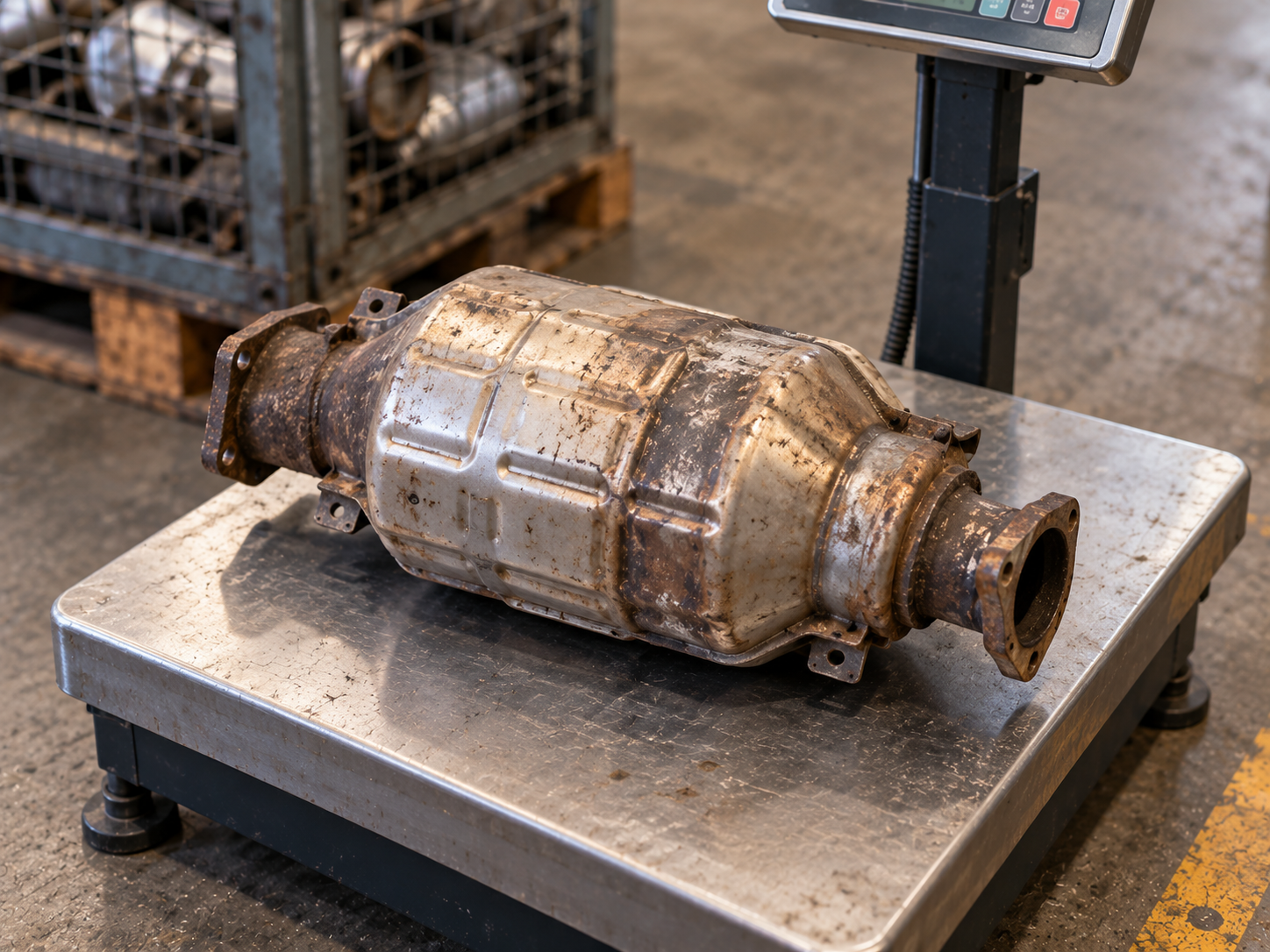
The catalytic converter sits in the exhaust system and reduces harmful emissions. Inside, it contains precious metals, including palladium and platinum, which gives converters real scrap value. Because they're located underneath the vehicle and can be removed quickly, they're a common target for thieves. Converter theft affects all kinds of vehicles, so it isn't limited to a particular make or model.
Signs Your Catalytic Converter Has Been Stolen
- A loud, rough engine noise when you start the car, or noise that gets louder when you accelerate
- A dashboard warning light
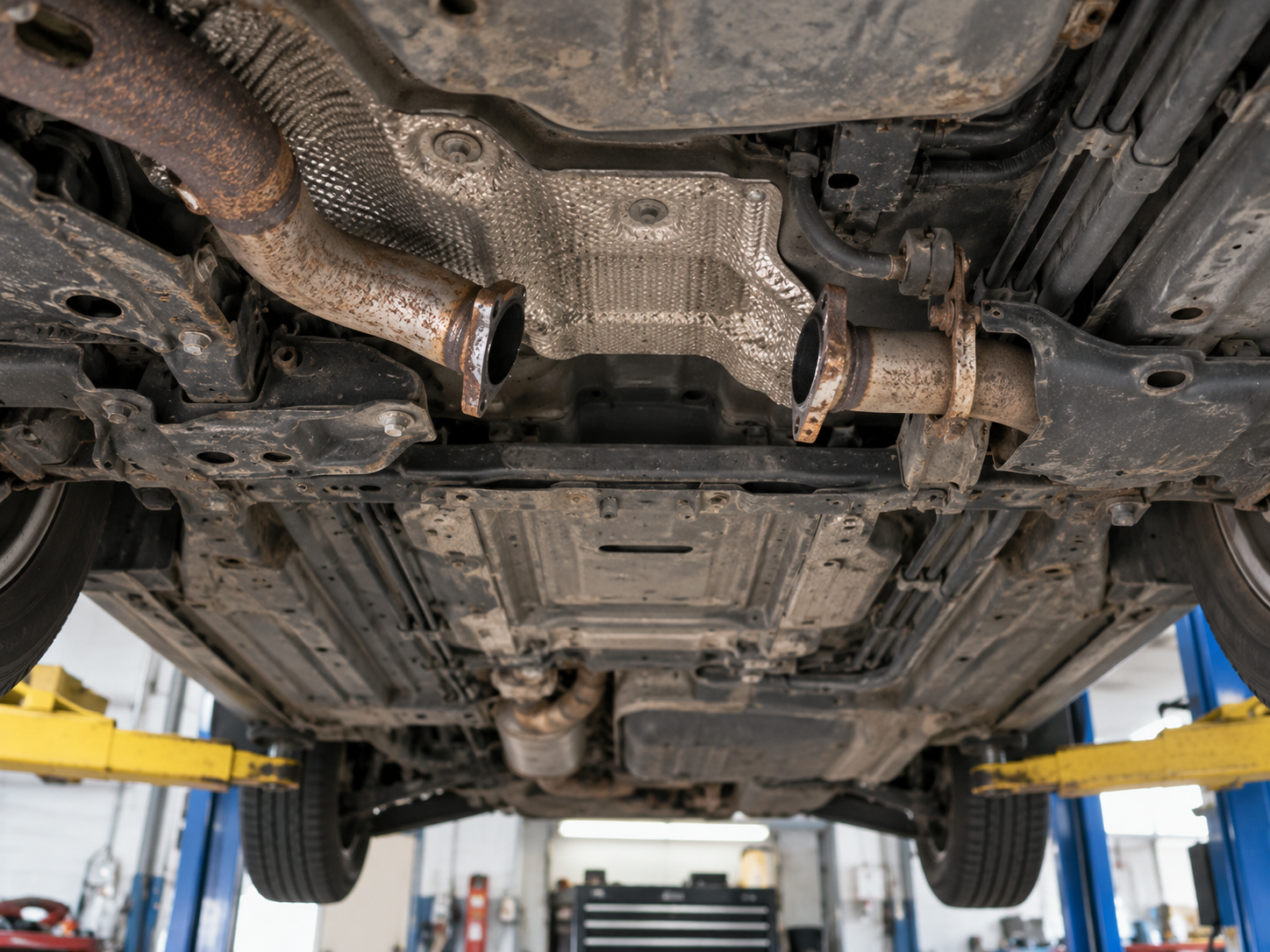
- Visible damage or a gap beneath the vehicle where the converter should be

If you suspect theft, look underneath the vehicle only if it's safe, and don't touch hot parts of the exhaust.
What To Do If Your Catalytic Converter Is Stolen
1. Don't drive the vehicle
Without a converter, the exhaust system is open and the car can be loud, may release more fumes and may not be safe or legal to drive. Arrange recovery or have the vehicle inspected by a garage before it goes back on the road.
2. Report it to the police
Contact the police, and keep the crime reference number. If you see a theft in progress, don't approach the people involved, and call the emergency number.
3. Tell your insurer
Contact your insurance provider as soon as you can. Check what your policy covers, including repair, replacement and any excess. Ask what documents they need.
4. Document everything
Take clear photos of the damage, note the date and location, and keep your vehicle registration details to hand. Any CCTV, doorbell camera or neighbours' footage may help. Keep all receipts for recovery and repairs.
5. Arrange the repair
A garage can fit a replacement and check the rest of the exhaust for damage.
6. Check your vehicle's compliance
A vehicle with a missing catalytic converter may not pass emissions tests. Make sure the repair is completed properly before you drive again.
How To Reduce the Risk of Catalytic Converter Theft
- Park securely. Use a garage, a locked compound or a well-lit, busy spot whenever possible.
- Add visibility. CCTV, motion lighting and a visible alarm can discourage opportunists.
- Use protective devices. Anti-theft cages or shields are designed to make removal harder.
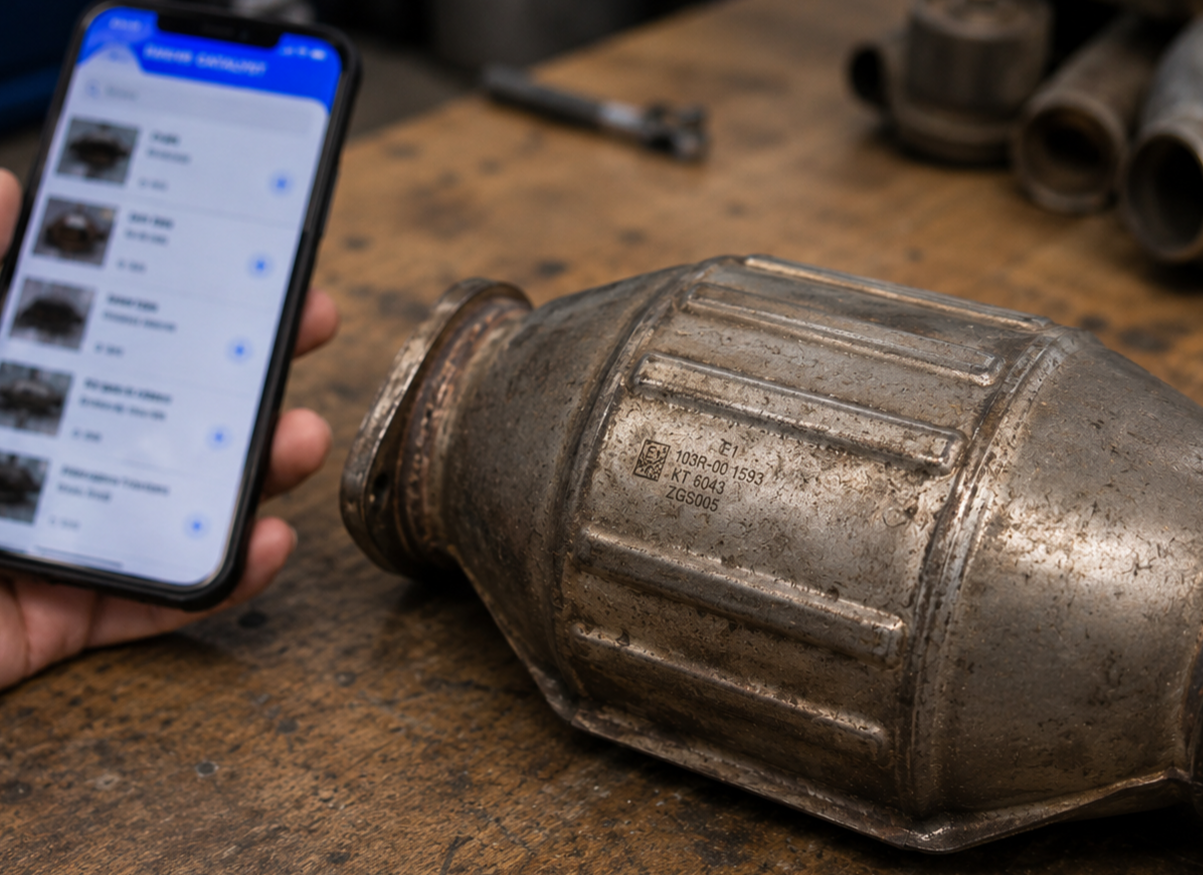
- Mark your converter. Etching or security marking with your vehicle details can make stolen parts traceable.
- Stay aware. Report suspicious activity in your neighbourhood.
None of these measures offers a guarantee, but together they make theft harder.
How Responsible Recyclers Handle Converters
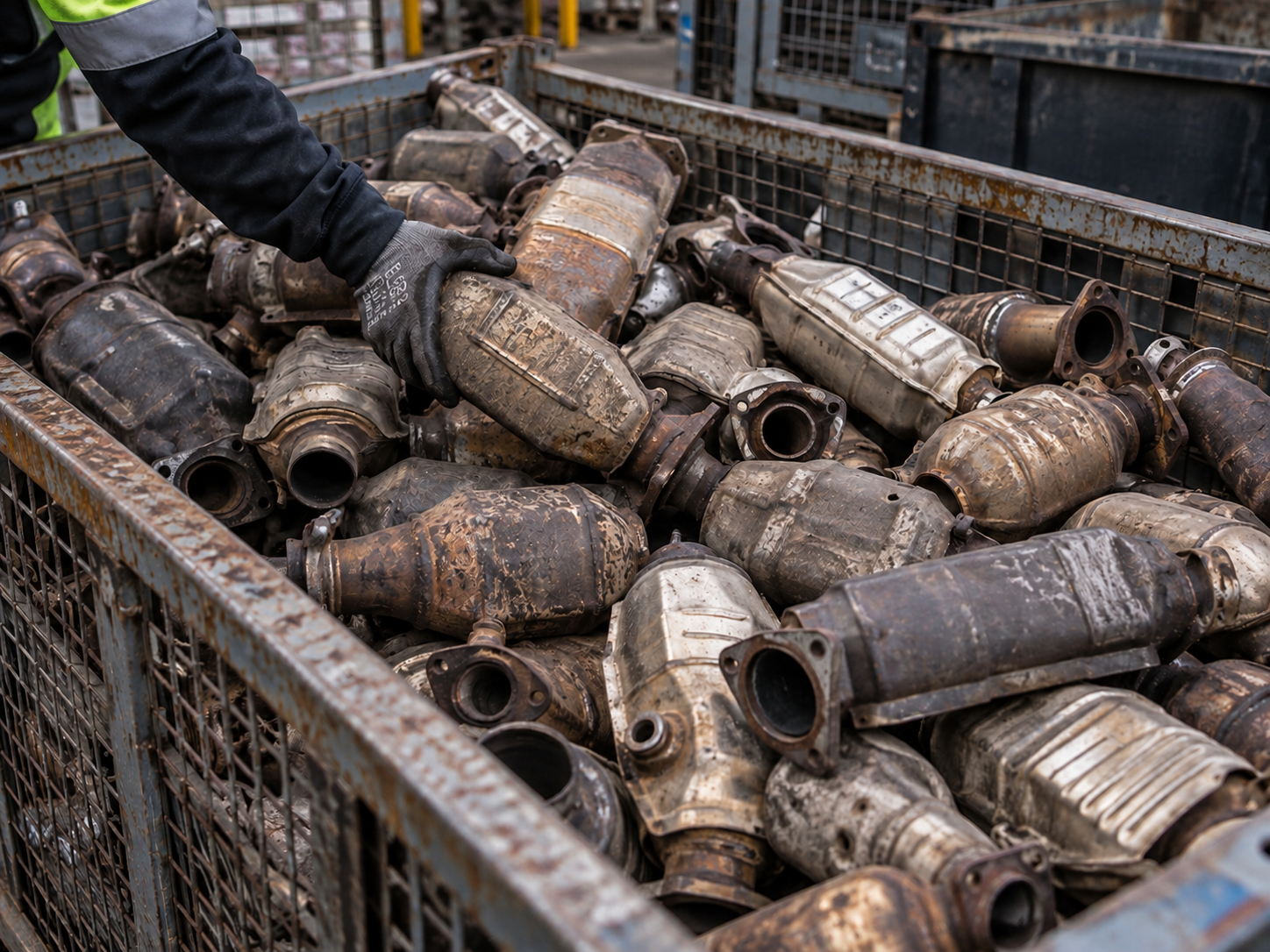
Legitimate recycling is regulated. In England and Wales, the Scrap Metal Dealers Act 2013 sets requirements including licensing, seller identity checks, record-keeping and a ban on cash purchases of scrap metal. At MetCat, compliance and safety are core to how we work. We recycle end of life catalytic converters through metal purchasing, and processing is carried out in-house using state-of-the-art equipment.
MetCat is open to both Trade and Public. If you have a converter that has come from a vehicle that is at the end of its life, you can find out more about how we work on our about page or get in touch for a free, quick quote.
Frequently Asked Questions
How do I know if my catalytic converter has been stolen?
A sudden loud engine noise, especially on start-up or acceleration, is the most common sign. You may also notice a dashboard warning light or see a gap in the exhaust beneath the vehicle.
Can I drive without a catalytic converter?
It's not advisable. The vehicle will be louder, may emit more pollutants and may fail emissions checks. Have it inspected by a garage and repaired before driving.
Will my insurance cover a stolen catalytic converter?
It depends on your policy. Comprehensive cover often includes theft, but terms and excesses vary. Contact your insurer promptly and ask what's covered.
How much does it cost to replace a catalytic converter?
Costs vary depending on the vehicle and the type of replacement. Ask a garage for an itemised quote, and share it with your insurer.
How can I stop my catalytic converter being stolen?
Park securely, use anti-theft devices, add visible security and consider marking your converter. No measure is foolproof, but they make your vehicle a harder target.
Final Thoughts On Catalytic Converter Theft: What To Do
Having a catalytic converter stolen is stressful, but a clear plan makes it manageable: keep the car off the road, report the theft, call your insurer, document everything and arrange a proper repair. Prevention won't remove the risk entirely, but it makes a difference. To learn more about responsible catalytic converter recycling, visit MetCat.