Catalytic Converter Scrap Prices Update — September 2026
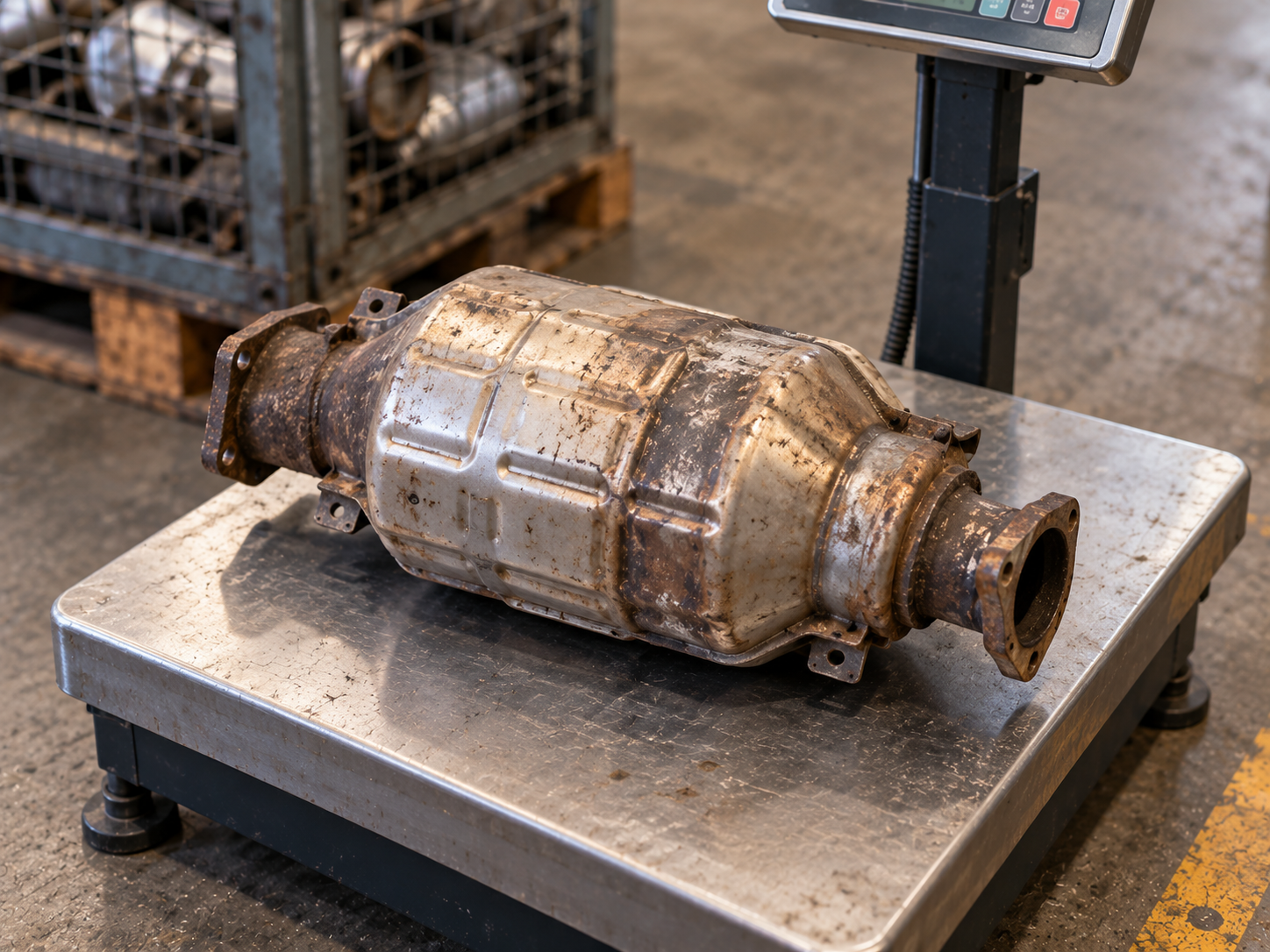
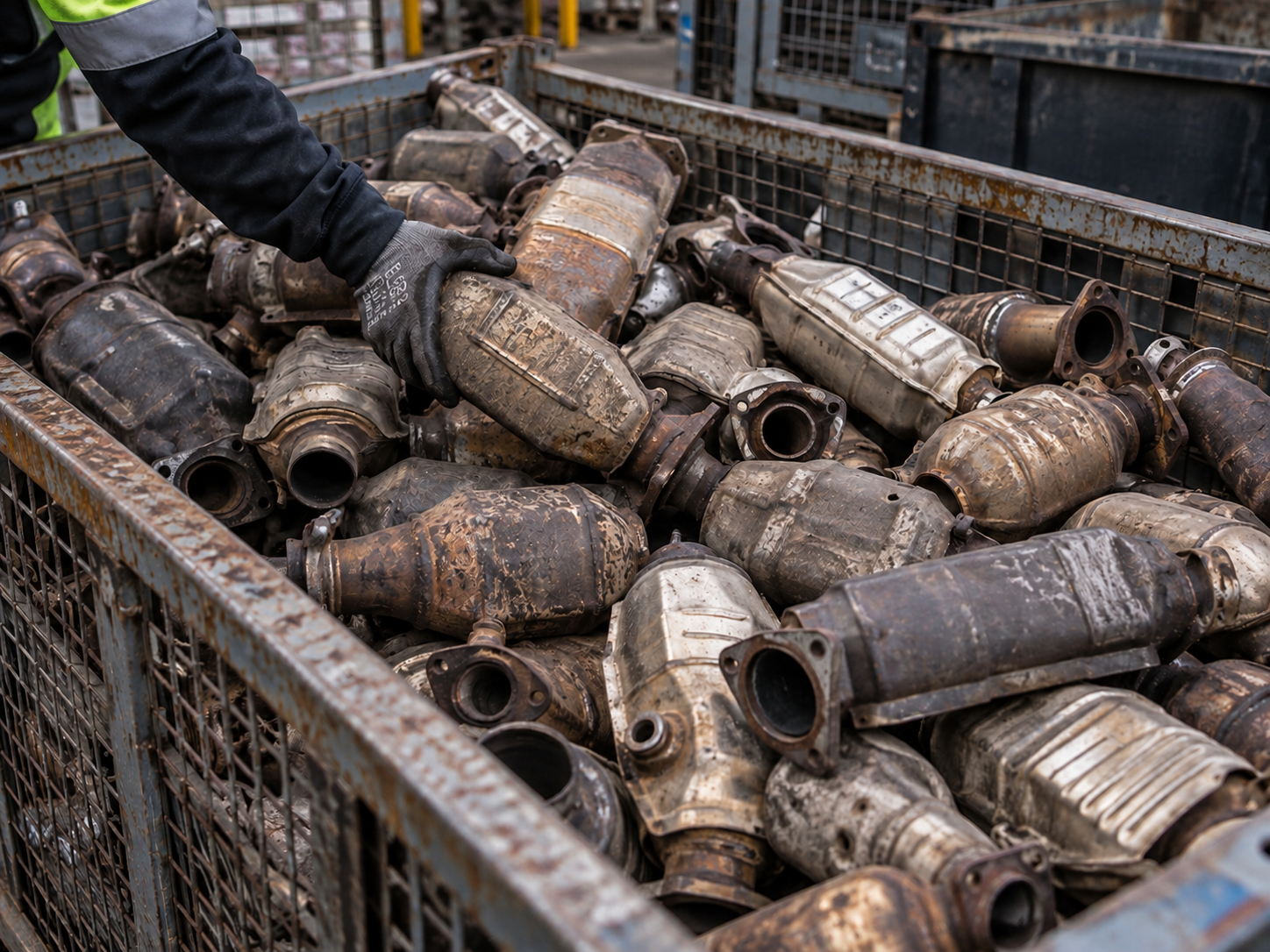
If you often deal with buying or selling catalytic converters, you already know the frustrating truth: scrap catalytic converter prices never sit still. They rise and fall with the global market for the precious metals hidden inside every cat.
One month a converter is worth noticeably more, the next it has softened, all without the metal itself changing. So where do prices stand as we move through September 2026, and how can you make sure you are getting an accurate, up-to-date value? Here is a clear look at the market and what drives it.
Key Takeaways
- Catalytic converter values come from three precious metals: platinum, palladium and rhodium
- These metals trade globally and their prices change daily, sometimes by the minute
- In September 2026, platinum sits near multi-year highs, while palladium has been softer
- Rhodium remains the rarest and most valuable of the three by some distance
- No fixed price list can stay accurate, so real-time pricing matters
- The MetCat app shows daily-updated prices for individual converters
What Drives Scrap Catalytic Converter Prices?
Every catalytic converter contains a small amount of platinum group metals, or PGMs: platinum, palladium and rhodium. These metals do the hard work of cleaning exhaust gases, and they are what give a scrap converter its value. Because that value is tied directly to the metals inside, scrap catalytic converter prices follow the global PGM markets. When platinum or rhodium climbs, converter values tend to rise with it. When the market dips, prices ease back.
Supply from mines, demand from carmakers, the shift towards electric vehicles, and wider economic conditions all push and pull these markets constantly.
The Market in September 2026
So what is happening right now? Bear in mind that precious metal prices move throughout every trading day, so treat the following as a snapshot rather than a fixed figure.
As of late September 2026, platinum is trading around £1,360 per troy ounce, close to multi-year highs and up roughly 27% on a year ago, supported by tight supply and strong investor demand. Palladium sits near £980 per ounce and has been softer lately, with analysts pointing to a market surplus as recycling rises and demand shifts. Rhodium, the rarest of the three, remains the heavyweight at around £6,790 per ounce, and it is famously the most volatile, capable of large swings in a single week.
You can follow live PGM prices through independent sources like Kitco.
For converter values, platinum's strength is generally supportive, while palladium's softer run is a factor for catalysts that lean on it. The overall message is simple: the market is active, so timing and accurate, current pricing both matter.
Why There Is No Fixed Price List
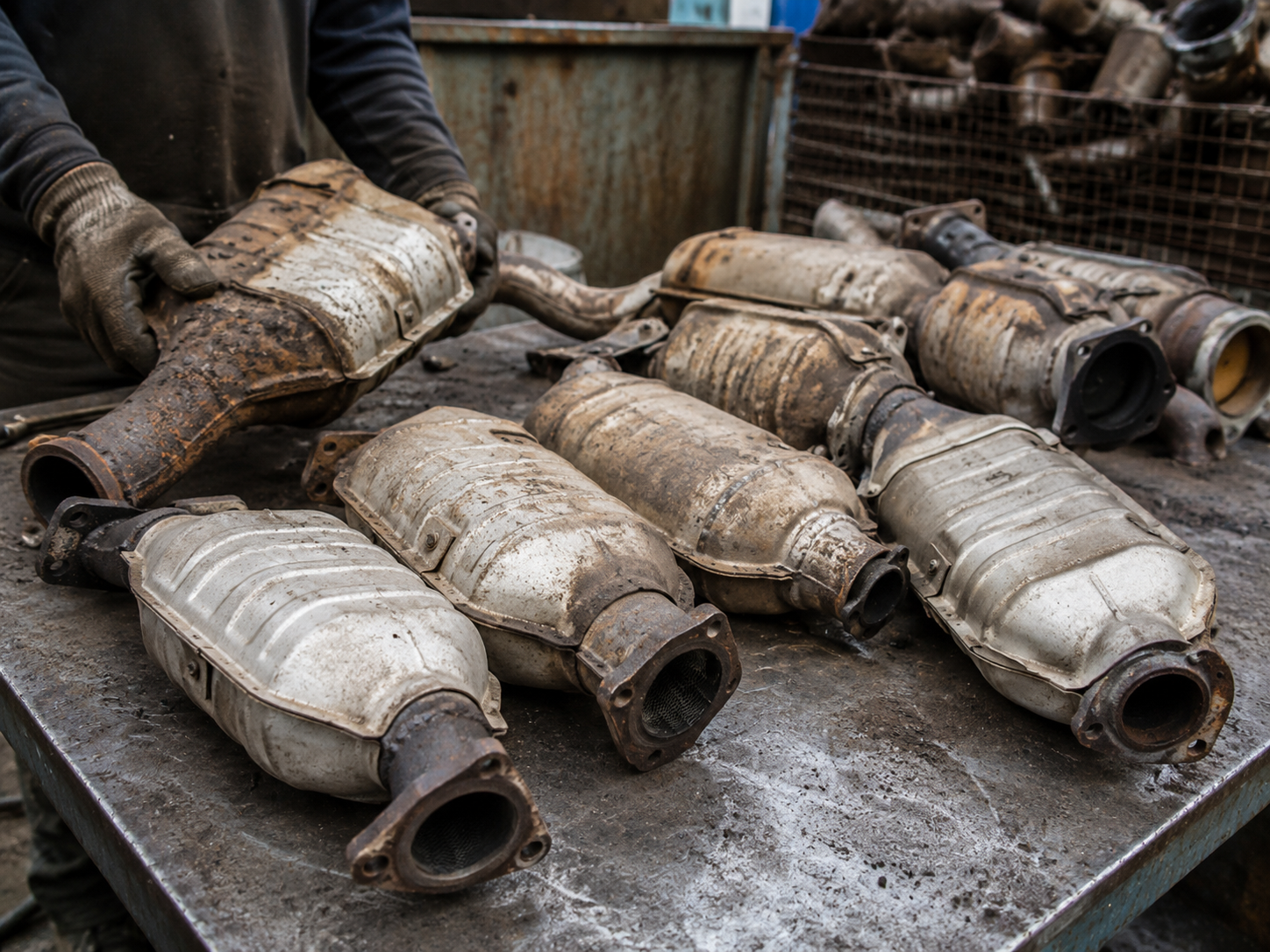
Here is the thing many sellers do not realise: there is no single, reliable price for a catalytic converter. Value depends on the exact make and model, the converter's identifying code, how much PGM it contains, and its condition. Whole units are also assessed differently from de-canned material. Layer the daily movement of three separate metal markets on top of that, and any printed price sheet is out of date almost as soon as it is published. This is exactly why serious recyclers price each converter individually, by its code, against that day's market. It is the only way to give a genuinely fair, accurate figure.
How to Get an Accurate Price for Your Converter
The good news is that checking a current value is easier than ever. MetCat prices catalytic converters by their individual code, using real-time pricing updated daily in line with the precious metals market.
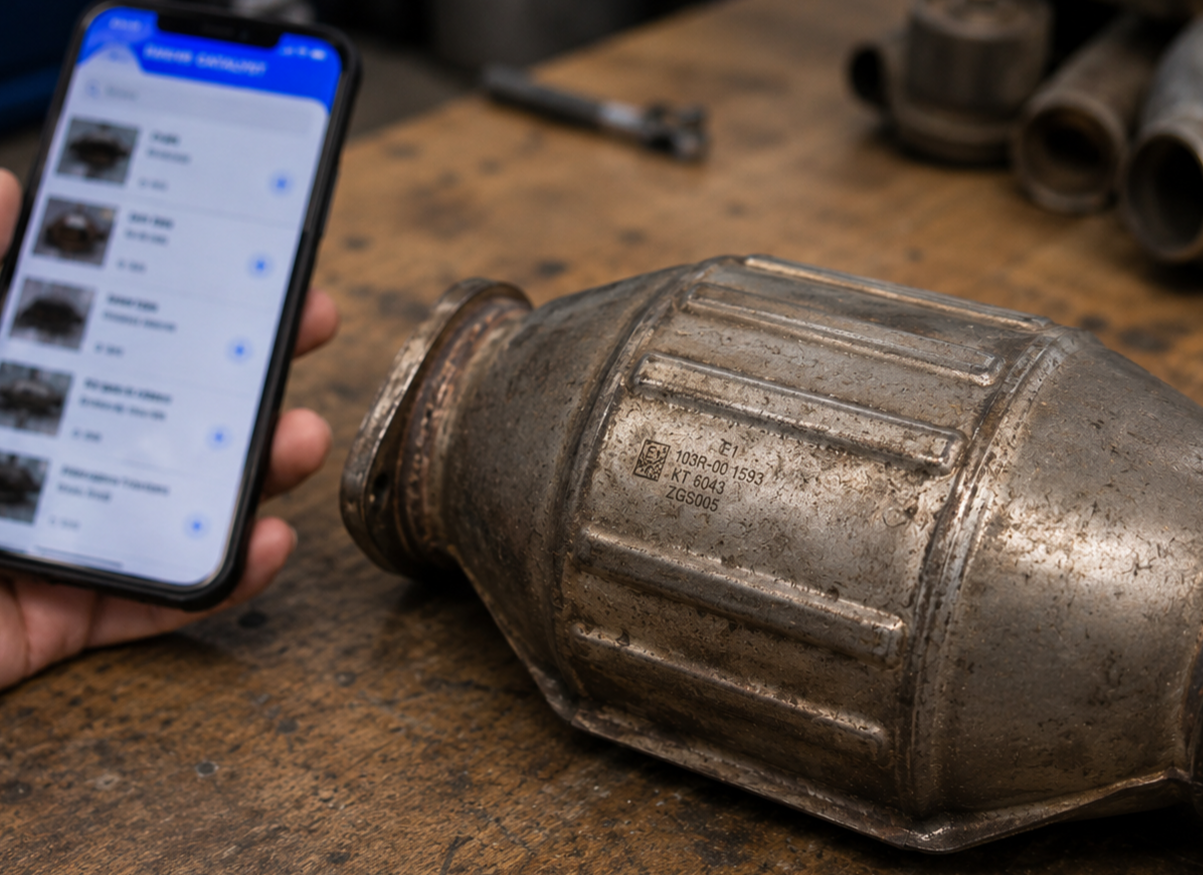
The simplest way to check is the MetCat app, available on iOS and Android, where each converter is listed by its code with the car model and a photo to help you identify it, and you can send your list straight to the team. Prefer to talk it through? A free, quick quote by phone works too. From there, you can bring materials to the Wolverhampton yard or arrange a collection, with fast, same-day payment once your converters are assessed.
Selling Responsibly and Getting Paid
Getting a good price is only part of the picture, and doing things properly matters just as much. As a family-run, licensed UK operator and BMRA member, MetCat works fully within the Scrap Metal Dealers Act 2013, which means verified seller details, clear records, and payment by secure electronic transfer rather than cash. For metallic converters, in-house processing and toll refining, backed by certificated assay results from a leading laboratory, give larger suppliers accurate, transparent returns. With more than 45 years in the trade, the focus stays on competitive pricing, responsible recycling, and a fast, efficient service.
Frequently Asked Questions
What are scrap catalytic converter prices based on?
They are based on the precious metals inside each converter, mainly platinum, palladium and rhodium. The amount of each metal varies by make and model. As those global metal markets rise and fall, so do converter values, which is why prices are quoted against the current market rather than a fixed rate.
Why do catalytic converter prices change so often?
Because they track live precious metal markets, which move every trading day and sometimes by the minute. Mining supply, carmaker demand, the rise of electric vehicles and economic conditions all influence platinum, palladium and rhodium. When those metals shift, scrap catalytic converter prices shift with them, sometimes noticeably within a single week.
How do I find out what my catalytic converter is worth?
Identify it by its code, then check a current, market-linked price. The MetCat app lets you look up converters by code, with the car model and a photo, using prices updated daily. You can also request a free, quick quote by phone for an accurate, up-to-date figure.
Are catalytic converter prices going up or down in 2026?
It is mixed. In September 2026, platinum is trading near multi-year highs, which is supportive, while palladium has been softer amid a forecast market surplus. Rhodium remains high but volatile. Because the picture changes constantly, the only reliable answer is to check the current price when you are ready to sell.
How does MetCat pay for catalytic converters?
By secure, same-day electronic payment, in line with UK law, which prohibits cash payment for scrap metal. Once your converters are identified and assessed against the day's market price, payment is made promptly and traceably. You can check indicative prices any time through the MetCat app before you sell.
Stay Ahead of the Market
Scrap catalytic converter prices will keep moving as long as the platinum, palladium and rhodium markets do, so the smartest approach is to check a live, accurate value rather than rely on an old price list. Whether platinum is riding high or palladium is cooling off, knowing today's number puts you in control. Download the MetCat app for daily-updated converter prices, or get in touch for a free, quick quote and fast service.