Non-Ferrous Metal Recycling Guide: Copper, Aluminium & Brass Prices Explained
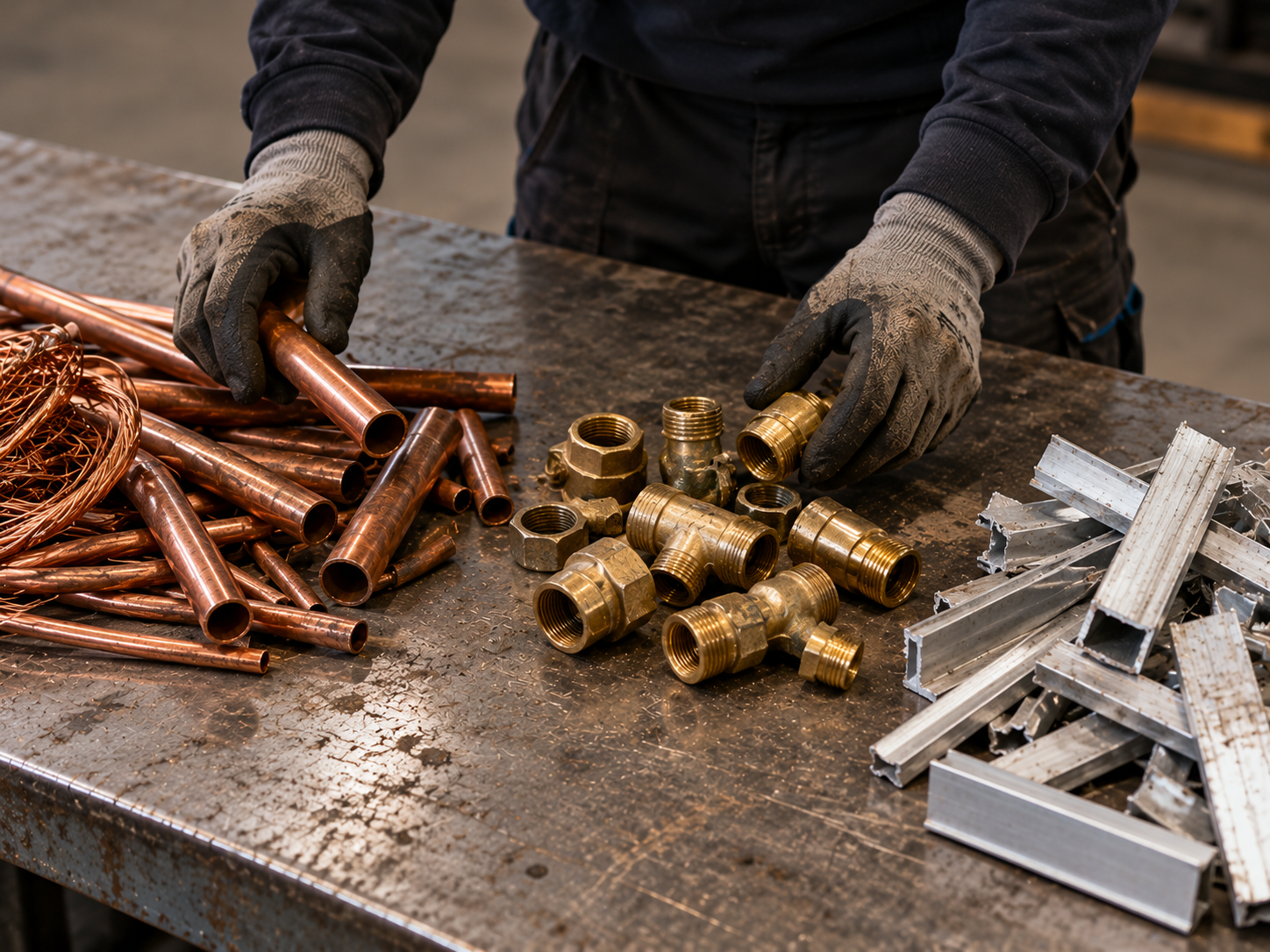
Clearing out a workshop, finishing a building project or sorting through old cable? Chances are you've got non-ferrous metal on your hands, and it may be worth more than you think. But what does "non-ferrous" actually mean, and why do prices for copper, aluminium and brass keep changing?
This guide covers the basics of non-ferrous metal recycling, how to tell metals apart and what shapes the prices you're offered. MetCat has more than 45 years of experience in metal recycling, including ferrous and non-ferrous metals alongside our specialist catalytic converter service.
Key Takeaways
- Non-ferrous metals contain little or no iron and don't stick to a magnet.
- Copper, aluminium and brass are among the most commonly recycled non-ferrous metals.
- Prices depend on the metal, its grade and cleanliness, the quantity and the market.
- Sorting and preparing your material well helps you get a fair price.
- MetCat's app provides real-time pricing for non-ferrous metals, updated daily.
Ferrous vs Non-Ferrous Metals
The difference is iron. Ferrous scrap metal contains iron, such as steel, and is magnetic. Non-ferrous metals don't contain significant amounts of iron, so they won't stick to a magnet. They also tend to resist rust.
A quick magnet test is a simple first check. If a magnet sticks, the metal is likely ferrous. If it doesn't, it may be non-ferrous, although some stainless steels aren't magnetic, so it's worth looking at the metal's appearance too.
For a closer look at the differences, read our guide on ferrous vs non-ferrous scrap metal, what the difference is and what it's worth.
Why Non-Ferrous Metal Recycling Matters
Metals can be recycled again and again without losing their properties, so metal recycling keeps valuable material in use. Everything from old metal products such as pipes and window frames to offcuts from a job can go back into the recycling process. Scrap yards and recyclers sort and grade it by metal type, which is why preparation matters. At MetCat we practise responsible metal recycling, with compliance and safety at the heart of our service.
Common Non-Ferrous Metals
Copper
Copper is one of the most widely recycled metals. It's found in pipes, wiring and cable, and in many electrical items. Copper has a distinctive reddish-orange colour, which makes it relatively easy to spot. Clean, stripped copper is typically valued higher than copper that's mixed with other materials.
Aluminium
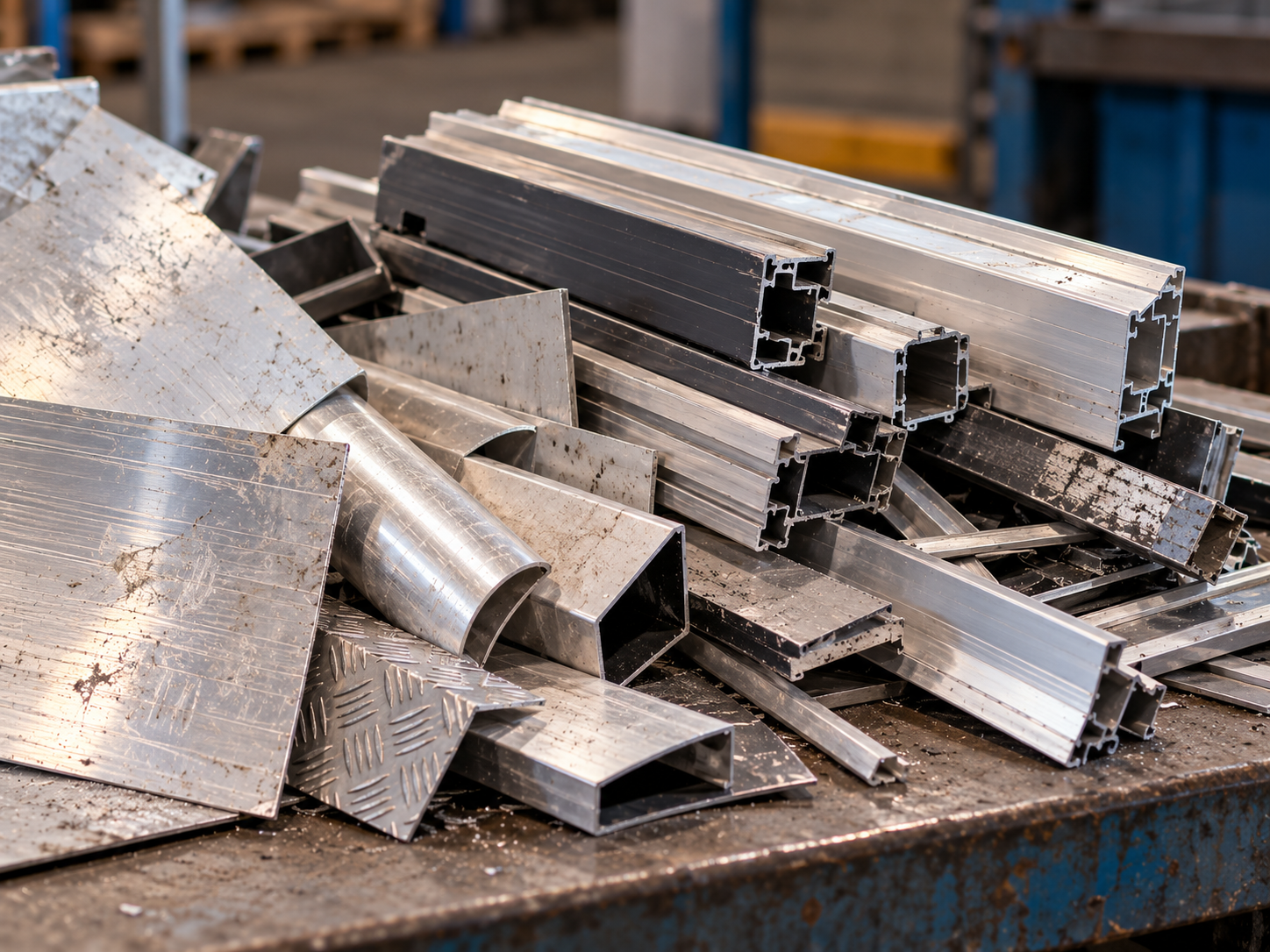
Aluminium is light, silvery and non-magnetic. You'll find it in window frames, cladding, ladders, cans, engine parts and many other products. Recycled aluminium uses far less energy to produce than new metal, which is one reason it's so widely collected. Different grades of aluminium are valued differently.
Brass
Brass is a yellow-gold alloy of copper and zinc. It's commonly found in taps, valves, fittings and ornaments. It's heavier than aluminium and non-magnetic. Clean brass without attachments such as steel parts generally commands better pricing.
Other Non-Ferrous Metals
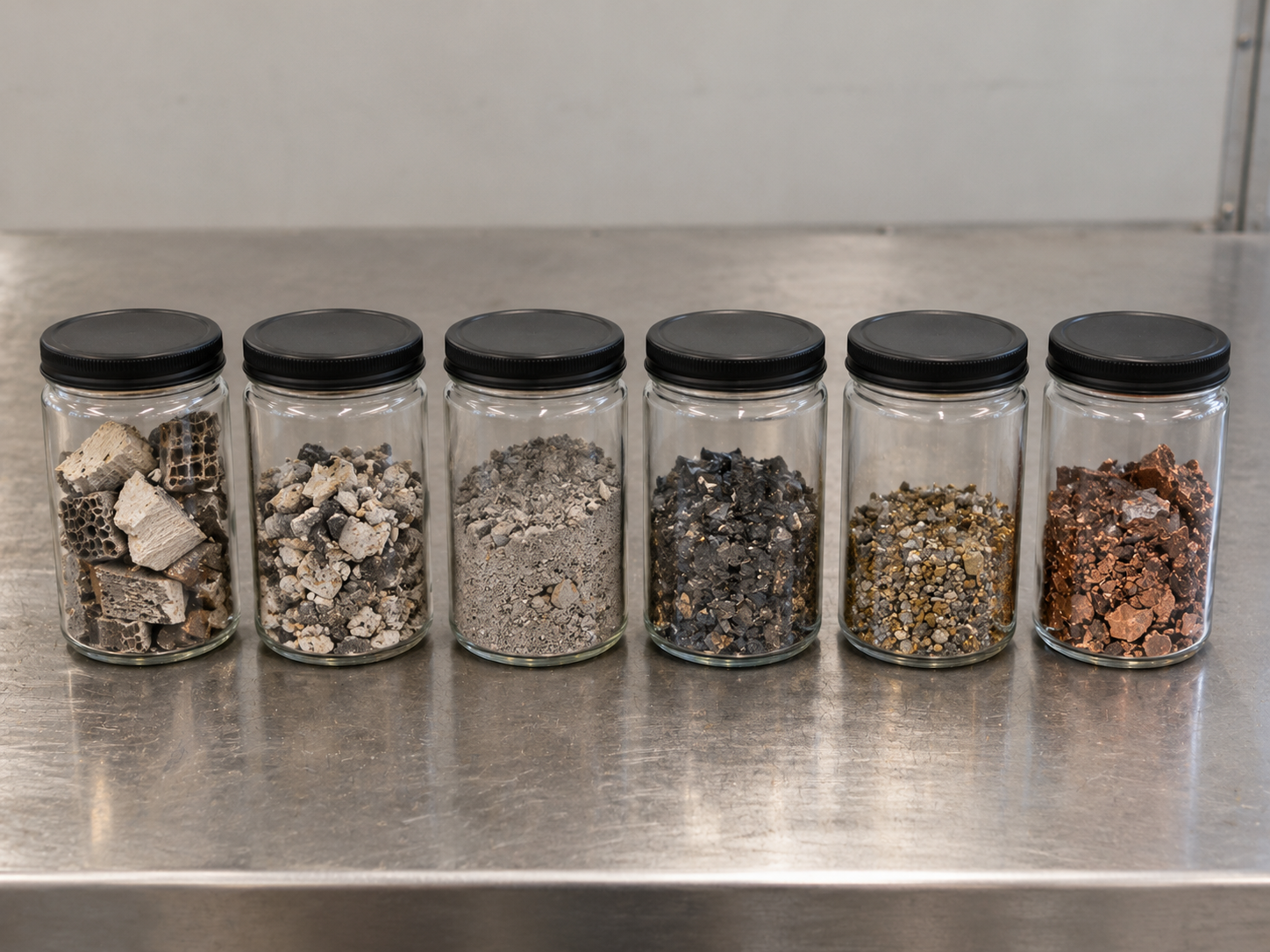
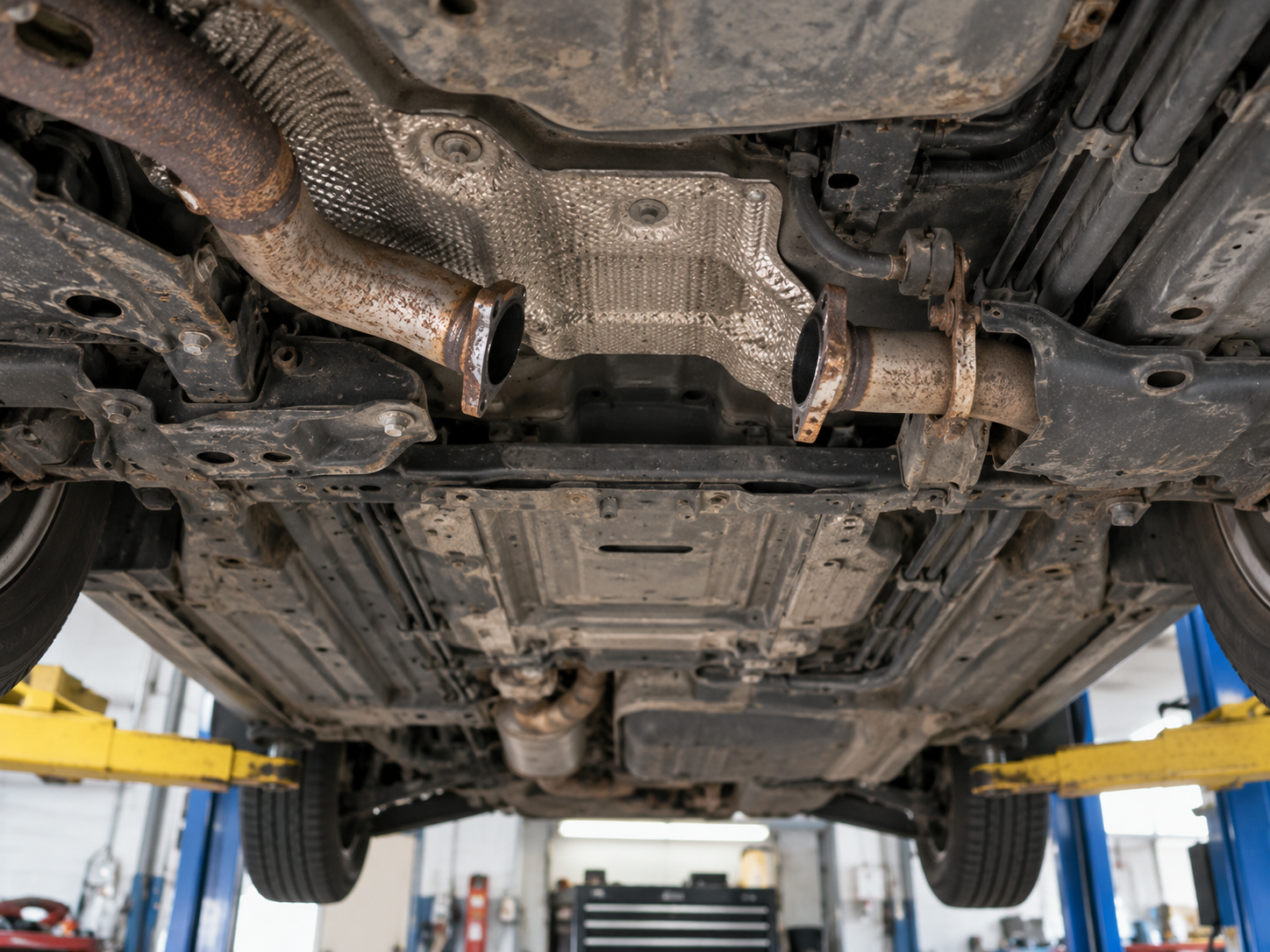
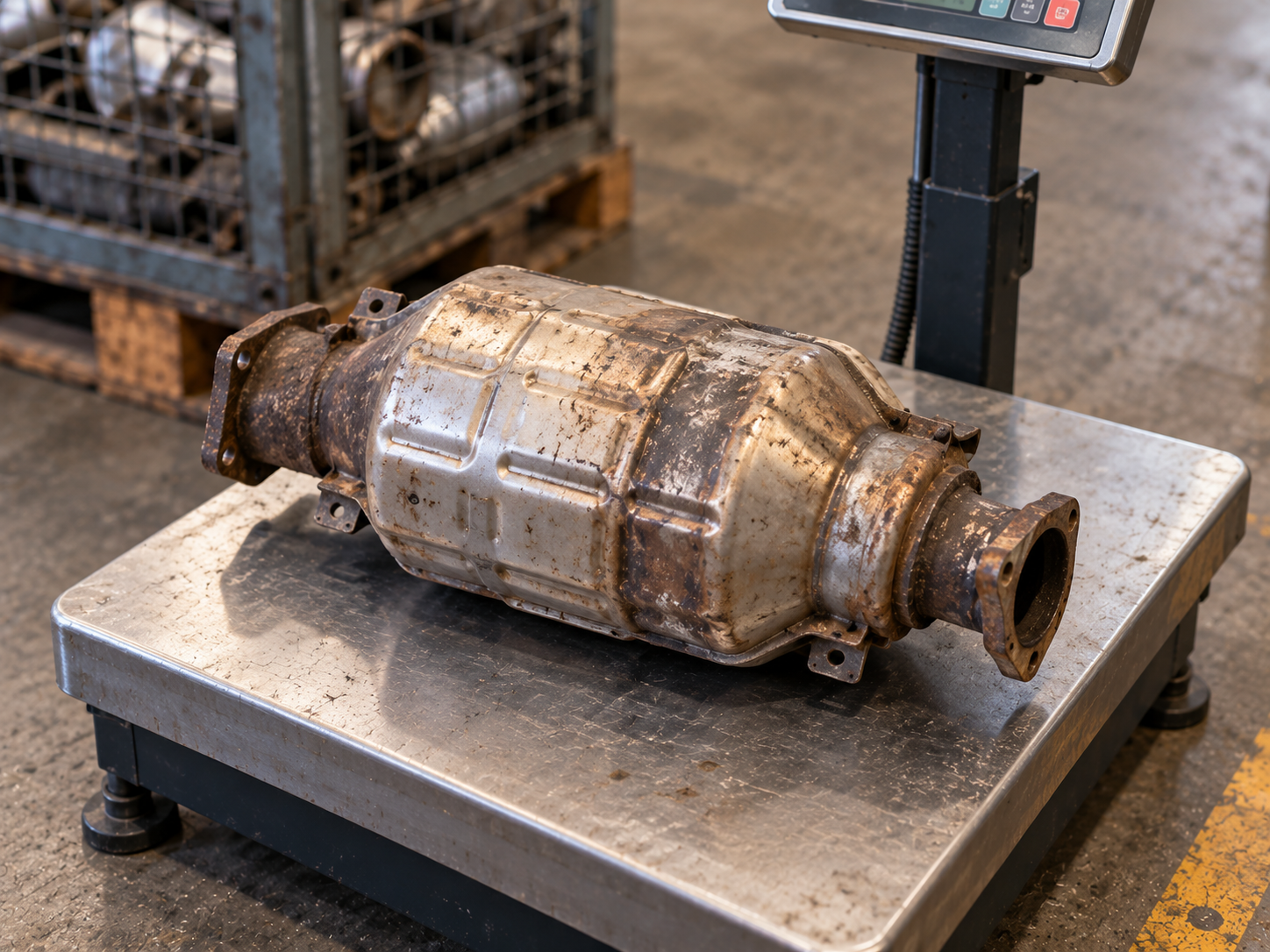
Lead, zinc and stainless-grade materials are also recycled, as are cable and lead-acid batteries. MetCat recycles and purchases non-ferrous metals, including copper, aluminium, brass, lead and cable, as well as lead-acid batteries. Precious metals are also recovered from catalytic converters.
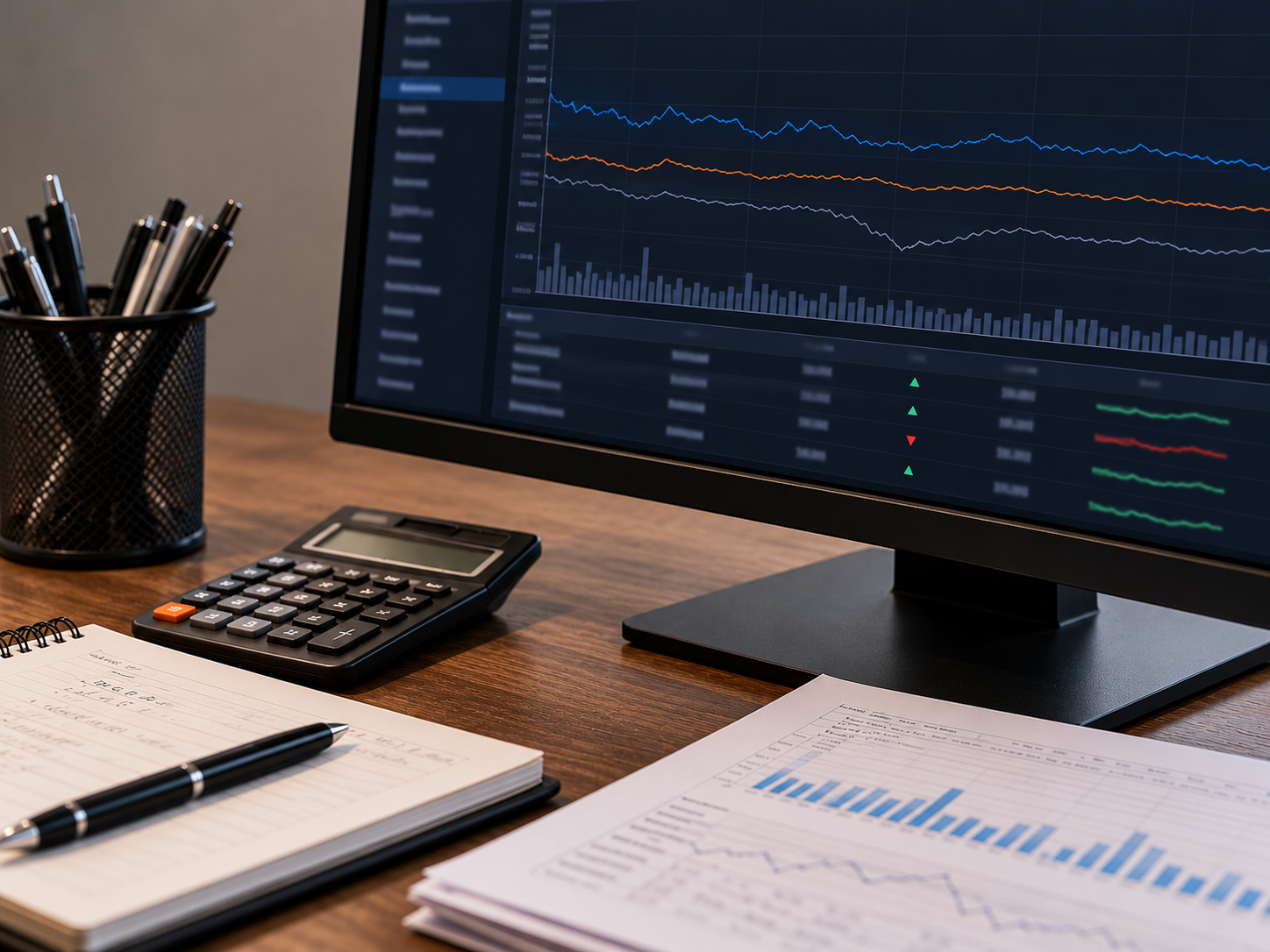
Copper, Aluminium & Brass Prices Explained
Prices for scrap metal aren't fixed. Several things influence what you're offered:
- The market. Metal prices move with global supply and demand, so they change.
- Metal type and grade. Clean, sorted material usually fetches more than mixed or contaminated scrap.
- Contamination. Attachments like plastic, steel or insulation can reduce value, or be priced differently.
- Quantity. Larger volumes can influence commercial terms.
- Location and logistics. Collection and delivery arrangements affect the overall return.
Because of this, there's no single price for copper, aluminium or brass. Looking up a current price is better than relying on a number you saw months ago. MetCat provides real-time prices for non-ferrous metals through the MetCat app, updated daily, and you can also call us for pricing.
How To Prepare Your Scrap for Recycling
- Sort by metal. Separate copper, aluminium, brass and ferrous material.
- Remove attachments. Take off steel fittings, plastic and other materials where it's safe to do so.
- Keep it clean and dry. Dirt and moisture can affect weight and grading.
- Don't mix hazardous items. Batteries and other hazardous items need responsible handling.
Recycling With MetCat
MetCat is open to both Trade and Public. Whether you're a scrap merchant, contractor, manufacturer or an individual with qualifying scrap, we offer competitive pricing, fast payment and flexible logistics, including collection services or drop-off at our Wolverhampton site. Our processing is carried out under the Scrap Metal Dealers Act 2013, including seller identity checks and record-keeping.
Find out more about our metal purchasing service, or contact us for a free, quick quote.
Frequently Asked Questions
What is non-ferrous metal?
Non-ferrous metal is metal that doesn't contain significant iron. Copper, aluminium, brass, lead and zinc are common examples. These metals aren't magnetic and generally resist rust.
How can I tell if metal is non-ferrous?
Try a magnet. If it doesn't stick, the metal may be non-ferrous. Colour and weight also help: copper is reddish, brass is yellow and aluminium is light and silvery. Some stainless steels aren't magnetic, so check carefully.
Why do scrap metal prices change?
Prices follow the market for each metal and are affected by grade, cleanliness and quantity. Because markets move, check a current price rather than relying on an old one.
Which non-ferrous metal is most valuable?
Value depends on the metal, grade and market at the time. Copper is often more valuable than aluminium, but prices change, so check current pricing before you sell.
How do I get paid for scrap metal?
Under the Scrap Metal Dealers Act 2013 in England and Wales, scrap metal purchases must use permitted non-cash payment methods, and sellers must provide identification. MetCat offers fast payment in line with these rules.
Final Thoughts On Non-Ferrous Metal Recycling
Understanding the difference between metals, preparing your scrap well and checking current pricing are the keys to a better result from non-ferrous recycling. Prices will always move, but good information keeps you in control. When you're ready to recycle copper, aluminium, brass or other metals, MetCat is here to help.