Is It Legal to Sell a Catalytic Converter in the UK? Licensing & Regulations Explained

Catalytic converters contain valuable precious metals, which makes used units a legitimate part of the UK scrap and recycling market. But because converter theft has also become a concern, selling one comes with rules around where it came from, who is buying it and how the transaction is handled.
In England and Wales, much of this is governed by the Scrap Metal Dealers Act 2013, which sets requirements around dealer licensing, seller identification, record keeping and payment. The rules also differ depending on your role. Someone selling a converter from their own vehicle is in a very different position from a business regularly buying, collecting or selling scrap.
So, where does that leave you if you have a catalytic converter to sell? Here’s what you need to know before taking it to a buyer.
Key Takeaways
- It is legal to sell scrap metal, including a legitimate catalytic converter.
- Businesses that regularly buy, sell or collect scrap metal generally need the appropriate scrap metal dealer licence.
- Private sellers do not automatically need a scrap metal dealer licence to sell their own legitimate converter.
- Licensed dealers must verify seller identity, keep transaction records and use permitted non-cash payment methods.
- A reputable buyer may ask questions about where the converter came from. This protects legitimate sellers as well as the recycling industry.
What Does It Mean to Be a Licensed Scrap Metal Dealer in the UK?
The phrase “licensed scrap metal dealer” essentially refers to a business authorised to operate as a scrap metal dealer under the rules applying in its area, which in this case is the United Kingdom.
In England and Wales, a business that buys, sells or stores scrap metal generally requires a licence from its local authority. Dealers can hold a site licence, covering specified premises, or operate as a mobile collector, which covers collection activity within the council area that issued the licence.
The definition is broader than many people expect. It can cover a business which consists wholly or partly of buying or selling scrap metal, as well as certain motor salvage activities.
Scrap itself may include discarded metal or metallic material and old, broken, worn or defaced articles. A product article or assembly containing metal can also fall within the rules depending on its condition and how it is being handled.
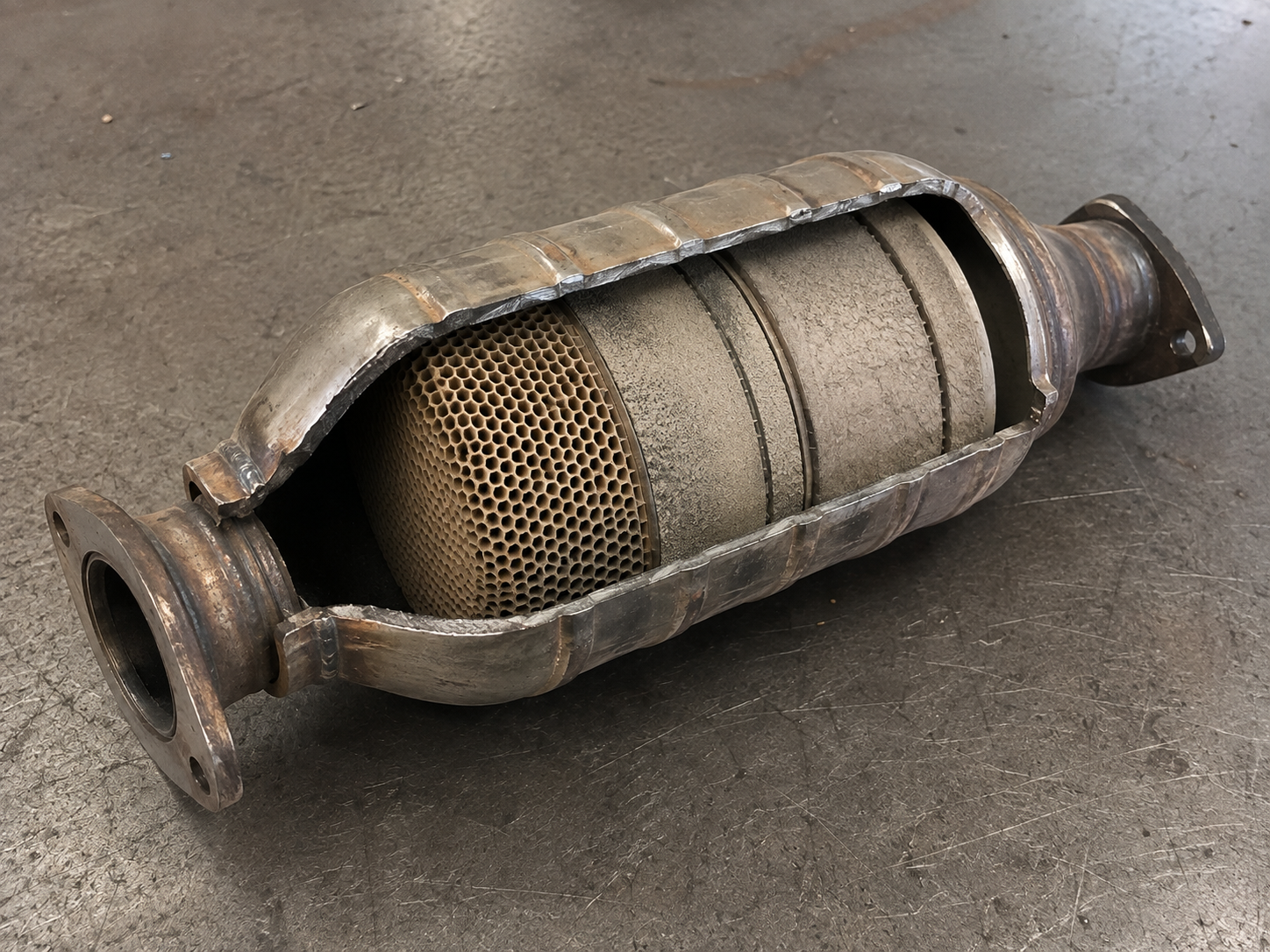
That matters for catalytic converters because they are vehicle components with recoverable metal content.
Do I Need a Licence to Sell a Catalytic Converter?
If you are a member of the public selling a legitimate catalytic converter that belongs to you, you would not normally need a dealer licence simply to complete that sale.
The rules are different if you regularly buy, sell or collect scrap metal as part of a business.
For example, somebody regularly collecting waste materials, buying scrap for resale or operating as a scrap merchant may fall within the licensing regime. The same can apply to a motor salvage operator involved in activities such as buying written off vehicles, dismantling vehicles, recovering salvageable parts or selling parts from motor vehicles.
If those activities form part of an ongoing business, checking the applicable licensing and waste-management requirements with your local authority is sensible.
What Do You Need When Selling a Catalytic Converter?
A licensed scrap metal dealer in England or Wales cannot receive scrap metal from a person without verifying their full name and address. Dealers are also required to retain records relating to material they receive.
In practice, be prepared to provide appropriate identification and information about the converter you’re trying to sell.
A legitimate recycler may also ask about its origin. Catalytic converter theft has made traceability especially important, so questions about provenance should not come as a surprise.
Government guidance specifically states that a catalytic converter removed from a vehicle destructively or by cutting is likely to meet the definition of scrap metal. It also recommends further checks where a dealer is uncertain about an item's provenance.
Keeping an invoice, vehicle information or another record showing legitimate ownership can therefore make the process easier and quicker.
Can Scrap Metal Dealers Pay Cash?
No. Scrap metal dealers in England and Wales cannot buy scrap metal for cash.
Under the Scrap Metal Dealers Act 2013, permitted methods include a non-transferable cheque or electronic transfer of funds. The purpose is simple: the transaction has to leave a traceable payment record.
That is worth remembering when you are choosing a buyer. An offer of cash payment for scrap should raise red flags, rather than make the transaction more attractive!
How Do You Choose a Legitimate Catalytic Converter Buyer?
Look for a buyer that is transparent about its operation, asks for the appropriate seller information and follows the regulations surrounding scrap-metal transactions.
MetCat has more than 40 years of experience in metal recycling and works with both trade and public customers. Responsible handling and compliance are part of their approach, alongside specialist catalytic converter knowledge, competitive pricing, and fast, efficient service.
For sellers, the process can be kept fairly simple:
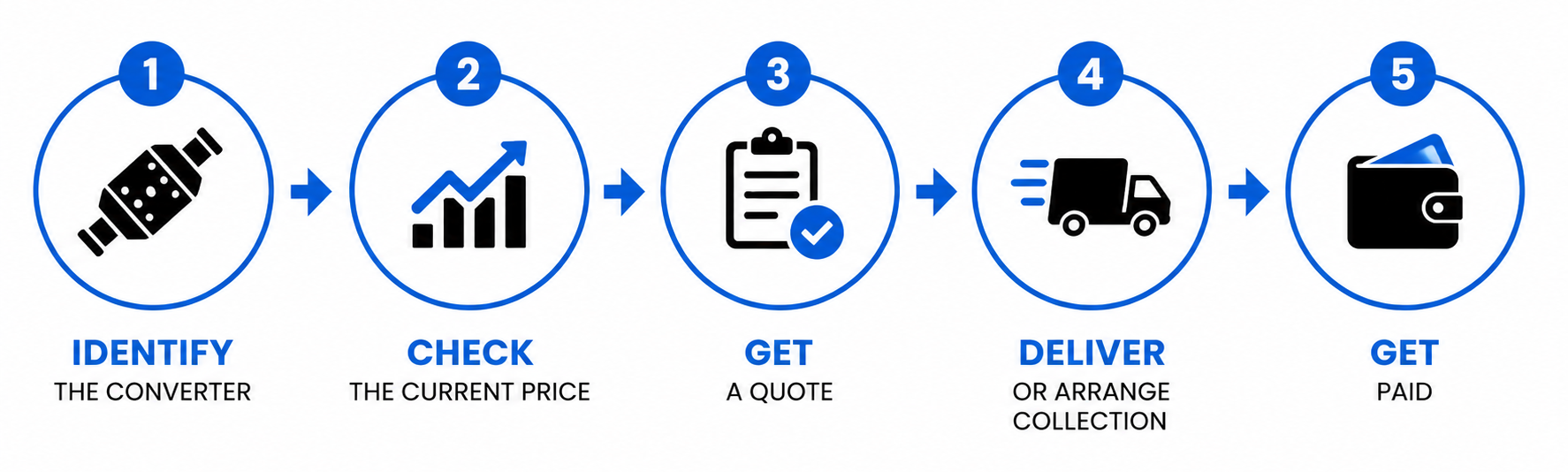
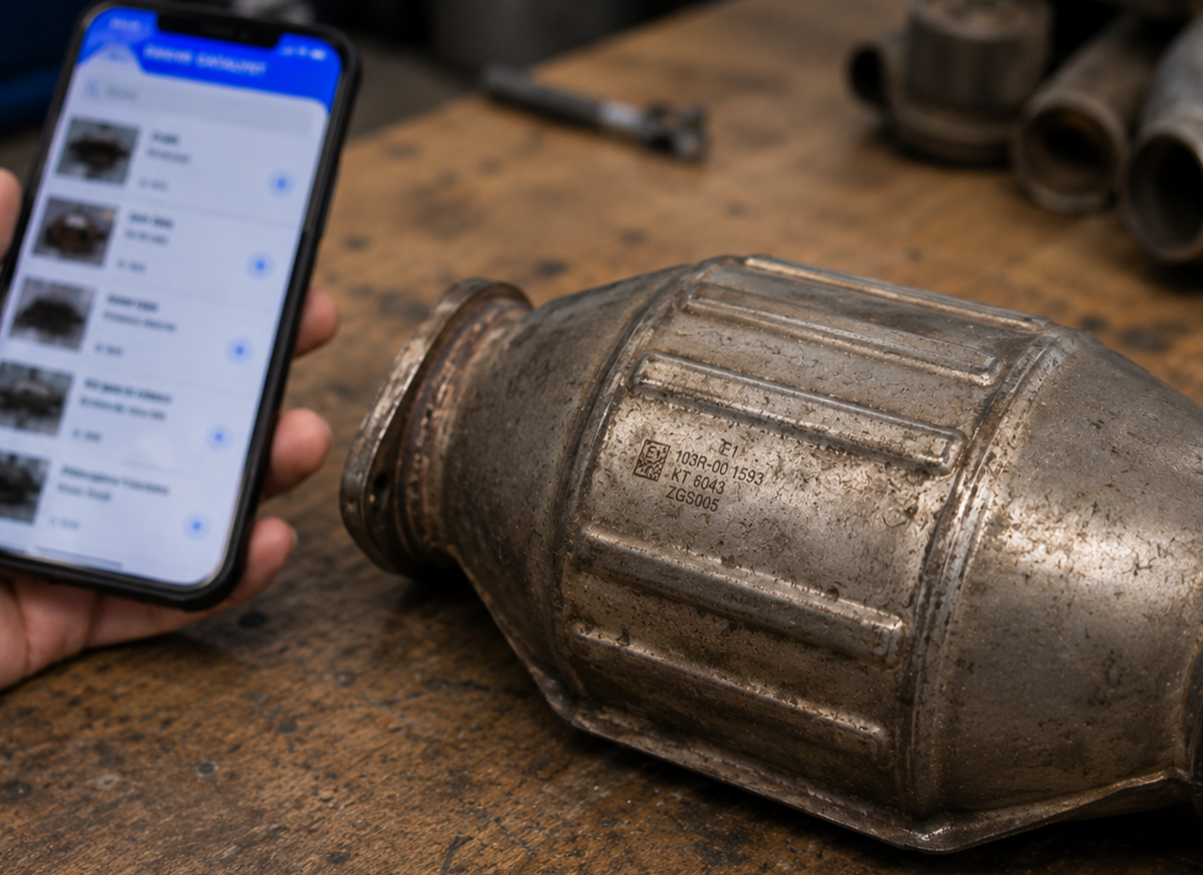
Catalytic converter values also move with platinum, palladium and rhodium markets, so identifying the converter correctly and using current pricing is important.
FAQs About Selling Catalytic Converters Legally
Is it illegal to sell a catalytic converter in the UK?
No! Selling a legitimately owned catalytic converter is legal. The buyer and transaction must comply with the relevant rules, including scrap metal regulations that apply to licensed dealers.
Can I sell a catalytic converter removed from my own car?
Yes, provided you legitimately own the vehicle. Be prepared to supply identification and, where requested, information that helps establish where the converter came from.
Can a scrap dealer buy my catalytic converter for cash?
Not in England or Wales. Licensed scrap dealers must use permitted traceable payment methods such as electronic transfer or a non-transferable cheque.
Do garages and vehicle dismantlers need a scrap metal licence?
It depends on the activities the business carries out. Businesses that regularly deal in scrap, operate as a motor salvage operator, dismantle vehicles, or deal in recoverable vehicle materials may fall within the licensing regime. Your local authority can confirm the requirements for a particular operation.
What is the difference between a site licence and a mobile collector licence?
A site licence covers scrap-metal dealing at named premises. A mobile collector's licence covers dealers who collect scrap within the local authority area that issued the licence.
Selling Your Catalytic Converter Responsibly
Selling a catalytic converter does not need to be complicated. For legitimate sellers, the important points are provenance, identification and choosing a compliant buyer that handles the transaction correctly.
MetCat recycles end-of-life catalytic converters and is open to both trade and the public, with collection and site drop-off options available.
If you have a converter to sell and want to confirm the next step, get in touch with MetCat for a free, quick quote.